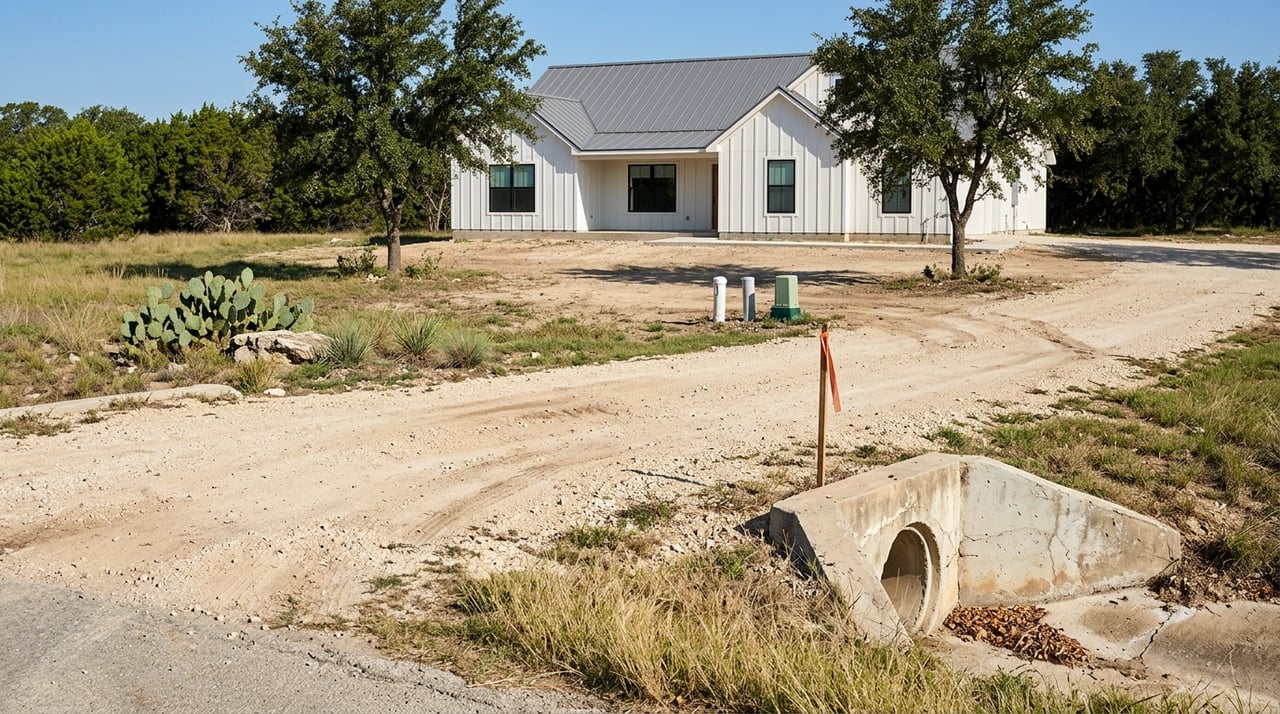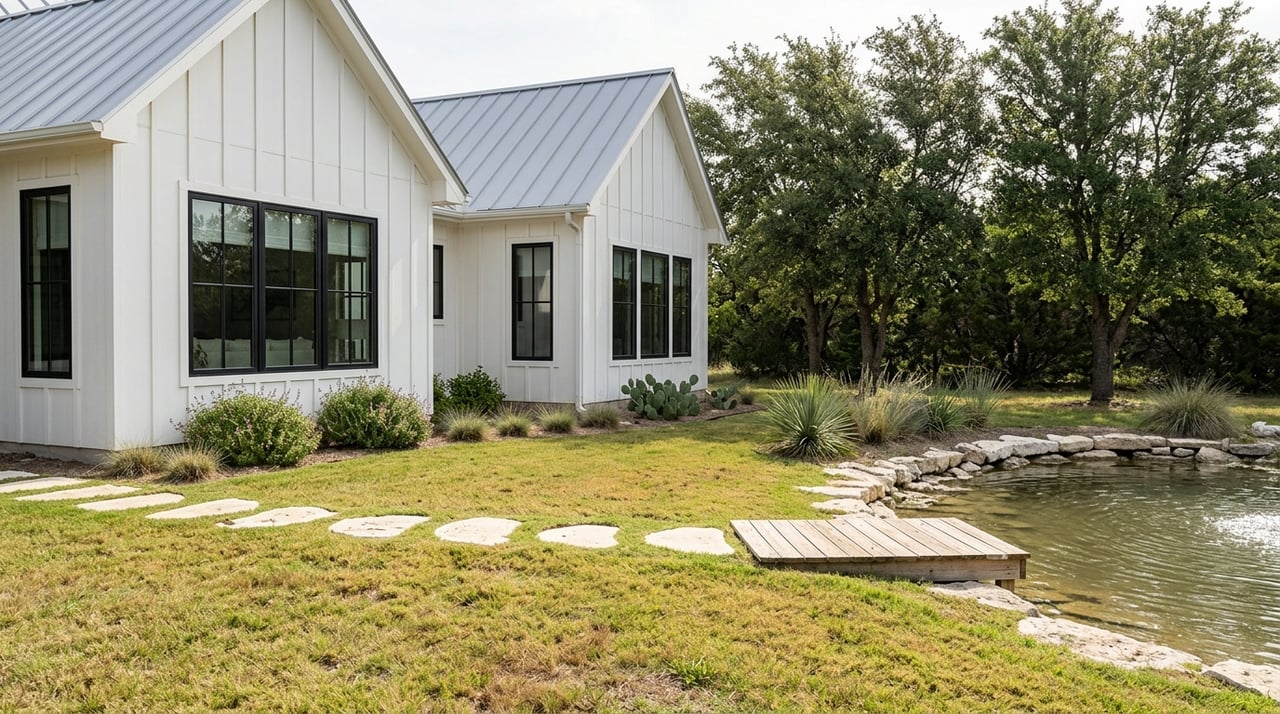
Dreaming about a place where you can fish at sunrise, camp on weekends, or simply enjoy wide-open Texas land? If you are exploring recreational properties in Coleman County, you are not alone. Buyers are often drawn here for the mix of water access, open acreage, and practical rural value, but choosing the right tract takes more than loving the view. This guide will help you understand what to look for, what questions to ask, and how to evaluate property with confidence. Let’s dive in.
Why Coleman County attracts recreational buyers
Coleman County sits in the West Texas Rolling Prairie of the North Central Plains, and its rural character shapes the kind of properties you will find here. According to Texas A&M AgriLife, the county is largely agricultural, with hunting, fishing, and nature tourism serving as leading recreation activities.
That combination matters if you want a place that works for both enjoyment and long-term ownership. In many cases, you are not just buying a weekend escape. You are buying land in a county where access, natural-resource use, and working-land features all play a role in property value and usability.
Another practical advantage is access. Coleman County is reached by U.S. 84 and 283, State Highway 206, and several Farm-to-Market roads, including 53, 568, and 2131. For buyers comparing tracts, that makes road frontage and travel convenience an important part of the conversation.
Water recreation around Coleman County
For many buyers, the biggest draw is being near one of the county’s water-centered recreation areas. Two reservoirs stand out in the local market, and each offers a different experience.
Lake Coleman overview
Lake Coleman is the larger of the two, covering about 2,000 acres on Jim Ned Creek and located roughly 13 miles north of Coleman. Texas Parks and Wildlife notes that the lake offers public boat ramps, camping, picnic sites, a seasonal marina and bait store, plus strong fishing opportunities.
If fishing is part of your plan, Lake Coleman is known for hybrid striped bass, largemouth bass, white crappie, and catfish. That can make nearby property appealing for buyers who want quick access to a full outdoor weekend without needing a massive ranch tract.
One detail you should not overlook is water-level fluctuation. TPWD says Lake Coleman’s water level can vary, averaging about 3 feet annually and sometimes dropping for longer periods. If you are considering a property near the lake, it is smart to think beyond a rainy-season showing and ask how changing water levels may affect access, views, and recreation.
Hords Creek Reservoir overview
Hords Creek Reservoir is smaller, at about 510 acres, and sits around 10 miles west of Coleman. It supports fishing, camping, boating, water supply, and flood control, according to TPWD and the U.S. Army Corps of Engineers.
The main fish species include largemouth bass, crappie, catfish, and sunfish. For some buyers, that smaller scale feels more manageable and more private, especially if the goal is a simple outdoor retreat rather than a heavily built-out destination.
Hords Creek does come with an important caution. TPWD reports that zebra mussels have invaded the reservoir, and some parks and boat ramps are closed. If boating matters to you, check current closure status and be prepared to follow clean-drain-dry precautions for equipment and gear.
What recreational properties look like here
One of the most helpful things to know early is that Coleman County recreational property is often still working land in some form. Buyers commonly compare open pasture, native pasture, improved pasture, cropland, and smaller tracts near creeks or lakes.
Coleman CAD land classes include irrigated cropland, several dryland cropland and pasture categories, and multiple native pasture classes. That tells you the local inventory is shaped by agricultural use, even when a buyer intends to use the property more as a retreat.
On the ground, the feel of a tract can vary a lot. Near reservoirs, TPWD describes features such as standing timber, black willow, brush, creek channels, and rocky points. Those details matter because they can affect shade, wildlife habitat, fishing potential, and how enjoyable the property feels for everyday use.
Common uses for a recreational tract
In Coleman County, many buyers are looking for flexible land rather than a single-purpose property. A tract may serve as a quiet place to camp, fish, watch wildlife, or spend weekends outdoors with family and friends.
Some buyers also want light hunting use or a future getaway they can improve over time. If that sounds like your goal, it helps to think about how much infrastructure you really need at the start versus what you can add later.
Texas Parks and Wildlife also notes that its Private Lands and Habitat Program helps private landowners manage wildlife habitat. That can be useful if you are interested in stewardship and habitat improvement, but it is important to separate those goals from tax assumptions, which brings us to one of the biggest local issues buyers should understand.
Understand tax treatment early
A common mistake with recreational land is assuming all outdoor use is treated the same for appraisal purposes. In Coleman County, that is not the case.
Recreational use is not wildlife management
Coleman CAD makes a clear distinction between recreational use, hunting, and wildlife-management valuation. The district states that recreational hunting is not wildlife management, and land must have previously qualified as open-space land before it can be used for wildlife-management valuation.
That means you should not assume a tract qualifies for a certain valuation simply because it supports wildlife or hunting activity. The current tax treatment and the path to any future change need to be verified before you buy.
Special rules may apply
Coleman CAD also says that qualifying recreational, park, and scenic land must be deed-restricted for at least 10 years, must be at least 5 acres, and cannot be operated for profit. Those are meaningful requirements, especially for buyers comparing smaller parcels or hoping to mix personal use with income-producing activity.
If your intended use includes outdoor recreation, occasional guests, or a long-term hold, ask how the tract is currently appraised and whether that matches your plans. It is much easier to sort out those details before closing than after.
Timing matters for applications
Coleman CAD states that agricultural use valuation applications are filed between January 1 and April 30 and require an on-site field review. If timing is tight, that window can affect your planning.
For buyers thinking about wildlife-management conversion, TPWD offers ecoregion-based guidance and forms, and Coleman County CAD places the county in the Rolling Plains wildlife-management context. The key takeaway is simple: if taxes are part of your buying decision, treat them as an early due-diligence item, not an afterthought.
Due diligence for recreational buyers
Rural property can be rewarding, but it often requires a more detailed review than an in-town home. Before making an offer, take time to confirm the basics that shape how you can actually use the land.
Here are some of the most important points to verify:
- Road frontage and legal access
- Easements that may affect use or privacy
- Electric availability
- Water availability
- Septic needs or feasibility
- Internet service options
- Current tax treatment and whether it fits your intended use
If the tract is near Lake Coleman or Hords Creek, add water-related questions to your list. Ask how changing lake levels may affect access or recreation, and if boating is a priority near Hords Creek, factor in current closures and zebra-mussel precautions.
Questions to ask when touring land
When you walk a recreational tract, it helps to think beyond the listing photos. A beautiful property can still have practical limitations that change how well it fits your goals.
Consider asking:
- How do you get to the property in all weather conditions?
- What part of the tract is most usable for camping, parking, or a future cabin site?
- Is the land mostly open, or does it offer tree cover and natural shade?
- Are there creek channels, rocky areas, or brush that add recreation value?
- Does the property’s current tax status align with how you want to use it?
- How close is it to Lake Coleman or Hords Creek access points?
These questions can help you narrow down whether a tract is a true fit for your lifestyle instead of just an interesting piece of land.
Planning for fishing and hunting use
If your vision includes fishing or hunting, planning should include both the property itself and the nearby public recreation rules. TPWD’s Outdoor Annual app is the direct place to check county hunting seasons, bag limits, fishing regulations, and license requirements.
That is especially helpful if you are shopping for a future retreat rather than a full-time residence. It gives you a clearer picture of what your seasonal use might look like and helps you evaluate whether a certain location supports the activities you care about most.
How local guidance helps you buy smarter
Recreational land is rarely one-size-fits-all. One buyer may want a fish-and-camp weekend place near a reservoir, while another may prefer a larger native-pasture tract with room to roam and long-term flexibility.
That is why local guidance matters. You need someone who can help you look past surface features and focus on the details that affect access, use, taxes, and day-to-day enjoyment. A thoughtful approach can save you time, reduce surprises, and help you buy a property that truly fits how you want to use it.
If you are considering recreational property in Coleman County and want practical, boots-on-the-ground guidance, Melissa Gibbard can help you evaluate land with a local, detail-focused approach.
FAQs
What types of recreational properties are common in Coleman County?
- Buyers in Coleman County often find open pasture, native pasture, improved pasture, cropland, and smaller creek- or lake-adjacent tracts.
What should buyers know about Lake Coleman recreational use?
- Lake Coleman offers boating, camping, picnic areas, and fishing, but water levels can fluctuate, so you should ask how that may affect access and enjoyment.
What should buyers know about Hords Creek Reservoir access?
- Hords Creek supports fishing, camping, and boating, but zebra mussels have invaded the reservoir, and some parks and ramps are closed, so current conditions should be checked before you buy nearby.
Does recreational hunting qualify as wildlife management in Coleman County?
- No. Coleman CAD states that recreational hunting is not the same as wildlife management for valuation purposes.
When are Coleman County agricultural valuation applications filed?
- Coleman CAD says agricultural use valuation applications are filed between January 1 and April 30 and require an on-site field review.
What due diligence matters most for Coleman County recreational land?
- Key items include access, easements, utilities, septic, internet, water availability, and whether the current tax treatment matches your intended use.