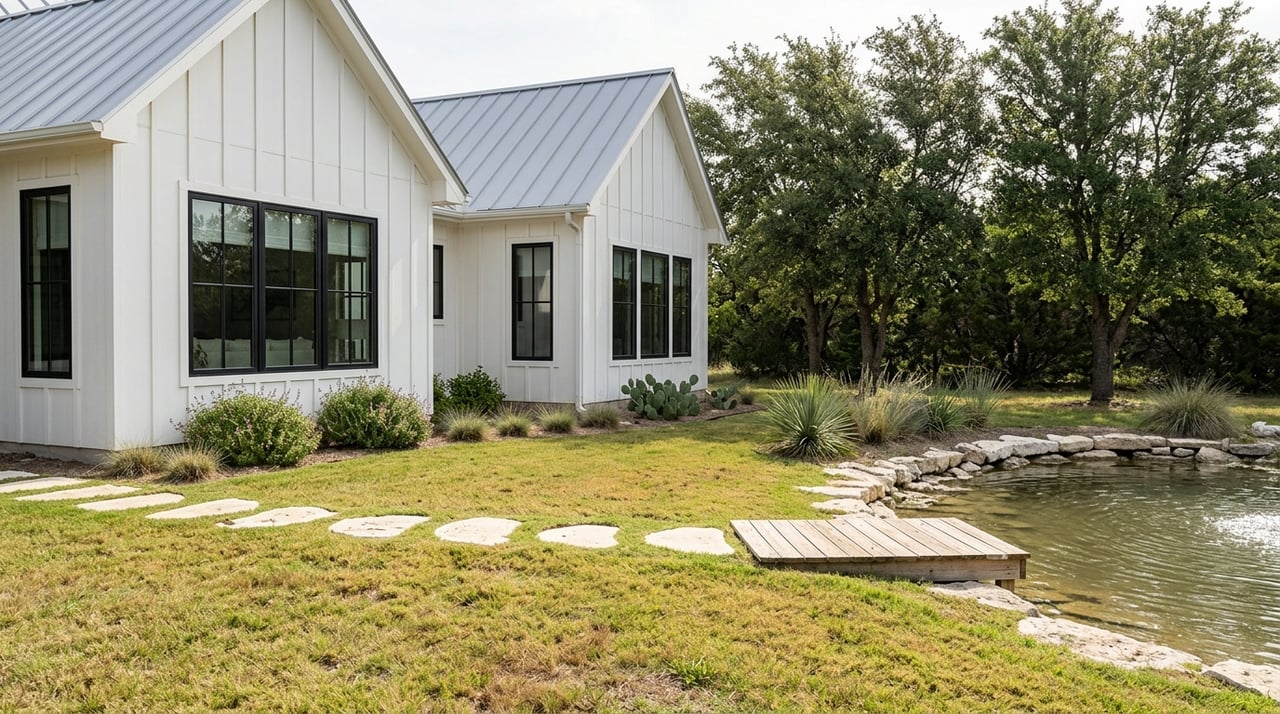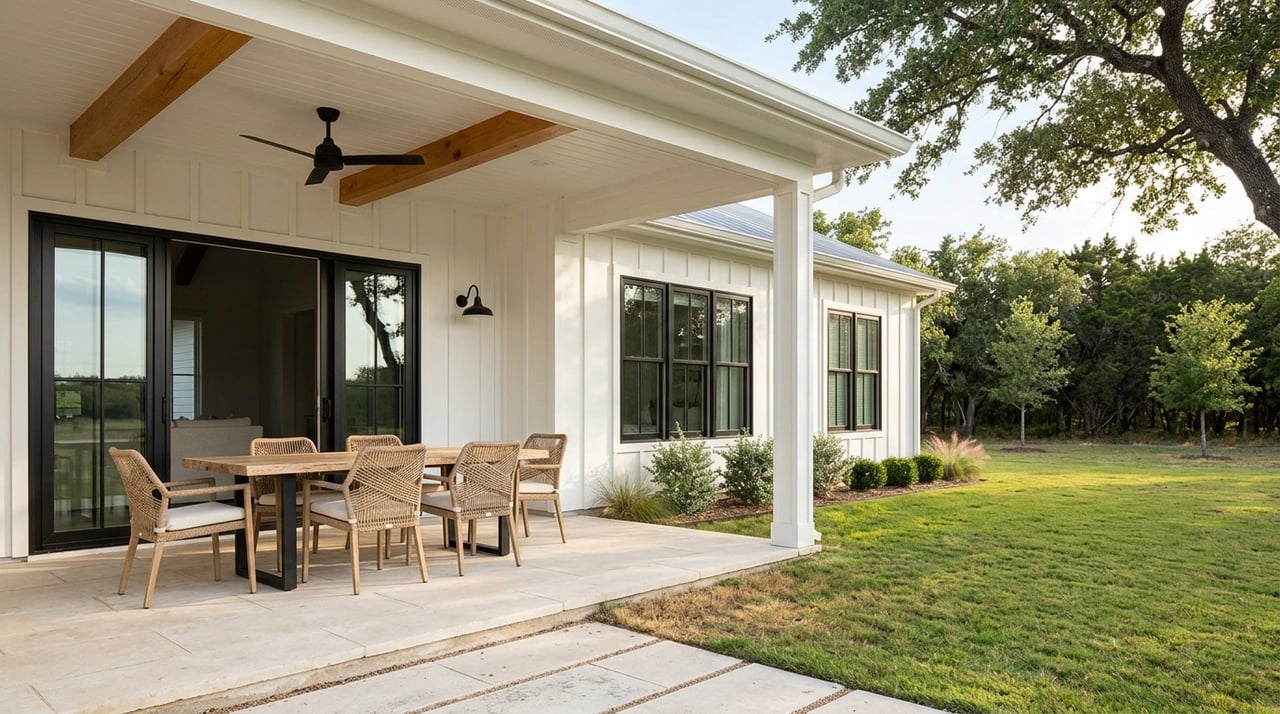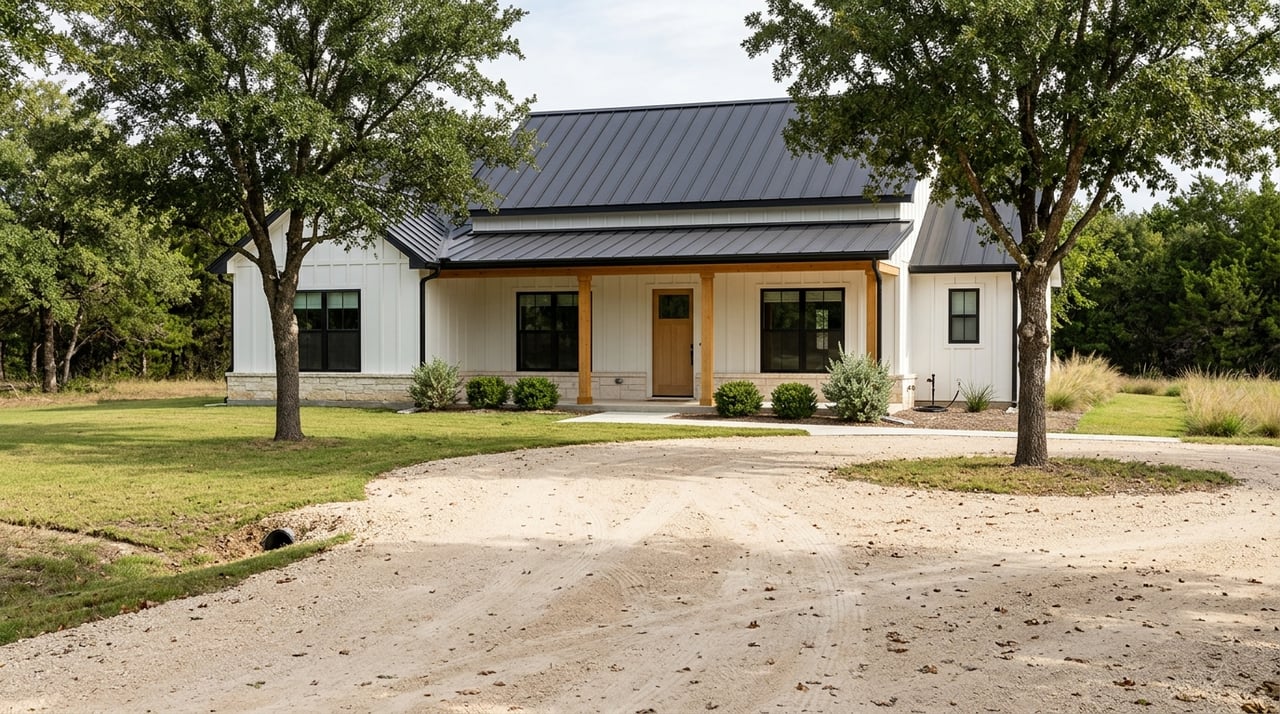
Dreaming about a home with room to breathe, but still wanting a workable drive to Fort Worth? Buying small-acreage homes in Parker County can offer that balance, but it also comes with more moving parts than a typical neighborhood purchase. If you are thinking about a few acres in this fast-growing county, it helps to know what can change from one property to the next. Let’s dive in.
Why Parker County Appeals
Parker County gives many buyers a middle ground between city access and more open space. The county is part of the Fort Worth area, and according to the U.S. Census Bureau, its estimated population reached 179,707 in July 2024, up 21.2% from the 2020 census.
That growth matters if you are shopping for small acreage. As more buyers look for land close to the metro, properties near the eastern side of Parker County may feel more competitive and more subdivided than land farther west.
Commute vs. Space Tradeoff
One of the biggest decisions is how much space you want versus how close you want to be to Fort Worth. Weatherford’s official FAQ says Weatherford is 25 miles west of Fort Worth on Interstate 20, while Aledo is about 20 miles west of Fort Worth.
That makes eastern Parker County a practical option if commute convenience is high on your list. In general, western Parker County tends to offer a more rural feel and more open land, while areas closer to Aledo and Fort Worth may appeal more to buyers who want easier access into town.
Know the Property’s Jurisdiction
Before you focus on the house, barn, or acreage size, find out whether the property is inside a city or in unincorporated Parker County. That one detail can affect permits, platting, and what rules apply.
According to Parker County’s permitting information, there are no zoning requirements in unincorporated areas of the county, and the county does not issue building permits or certificates of occupancy there. By contrast, the City of Aledo requires building permits for new structures and says a property must be properly platted before a permit can be issued.
Aledo also notes that having an Aledo mailing address does not automatically mean a property is inside city limits. That is an important reminder for buyers who assume the address alone tells the full story.
Subdivision Lots vs. Open Tracts
Not all small-acreage properties work the same way. Some are in subdivision-style developments, while others are more open tracts with fewer neighboring structures and less formal neighborhood setup.
In subdivision-style projects outside city limits, Parker County’s Subdivision Rules and Regulations require a plat when land is divided into two or more parts for development. The rules may also involve roads, drainage, utility easements, floodplain identification, and emergency access.
That means a small-acreage lot in a platted community may come with more predictable infrastructure, but it can also come with more recorded requirements. An open tract may offer more flexibility, but it often puts more due diligence on you as the buyer.
What “Unrestricted” Really Means
In Texas, public rules and private rules are not the same thing. That is a key point for acreage buyers.
The Texas Real Estate Research Center explains that counties generally have limited land-use authority, while private restrictions such as restrictive covenants, deed restrictions, POA rules, and easements are separate from public law. In practice, that means a property described as “unrestricted” may still be subject to public requirements, utility easements, or recorded limitations that run with the land.
Water and Septic Matter More on Acreage
On a standard suburban lot, you may expect public water and sewer without giving it much thought. On small acreage, those items need careful review.
For wastewater, the Texas Commission on Environmental Quality says permits are required for on-site sewage facilities, including septic systems and holding tanks. Parker County states that it regulates and permits OSSFs in the unincorporated area of the county.
For water, do not assume city service is available. Parker County’s subdivision rules say developers must comply with county and state requirements on water adequacy and quality, and Parker County Special Utility District serves some rural areas including Brock, Dennis, Greenwood, Millsap, and Bennett.
If you are buying a small-acreage home, ask early whether the property is on city water, a utility district, or a private well. That answer can shape both your costs and your comfort level.
Access, Driveways, and Road Frontage
Acreage buyers often focus on the home and forget the driveway until late in the process. In Parker County, access deserves close attention.
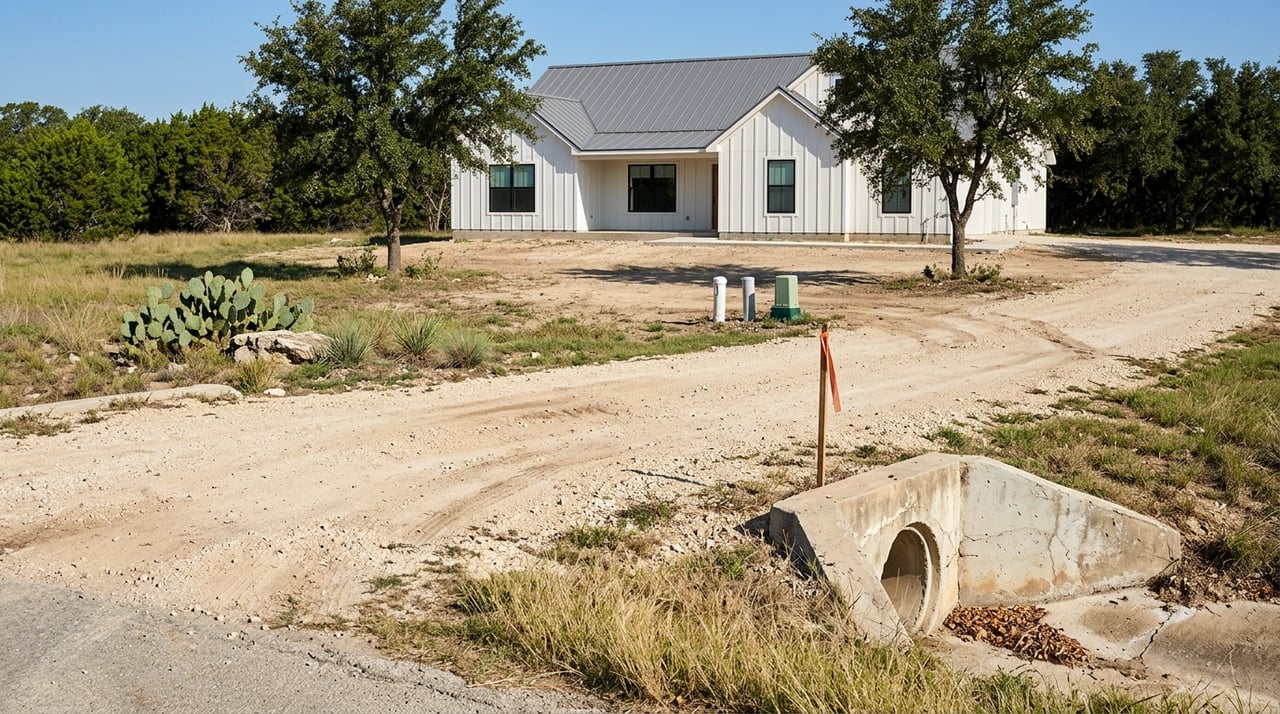
The county’s right-of-way information says fences cannot block county roads or sit within county right-of-way, and landscaping or private signs are also prohibited within county road right-of-way. The subdivision rules add that driveways must not block natural drainage, and the precinct commissioner decides whether a culvert is needed.
If a culvert is required, the owner pays for it. The rules also say the finished driveway portion must be at least 22 feet wide and extend from the property line to within 6 feet of the paved portion of the county road.
Drainage Is a Real Buying Factor
A pretty homesite can look very different after heavy rain. That is why drainage should be part of your review before closing.
Parker County’s stormwater management information explains that the county does not have an underground stormwater drainage system like large cities. Instead, drainage ditches along county and private roads carry runoff to nearby creeks.
For you as a buyer, that makes low areas, creek crossings, culverts, and overall drainage patterns important. If a property has a long driveway, natural draw, or nearby creek, it is smart to understand how water moves across the site.
Recorded Restrictions Still Count
Even if a property feels rural and wide open, the recorded documents still matter. You should review the title commitment, survey, plat, and any deed restrictions before assuming you can use the land however you want.
Parker County’s subdivision rules say that if restrictions apply, a copy must be submitted with the final plat, though the county does not enforce those restrictions. The Texas Real Estate Research Center also notes that restrictive covenants and easements can bind future owners.
Agricultural Appraisal and Taxes
Property taxes can be a major part of the acreage conversation. If a tract has agricultural appraisal in place, you need to understand both the current benefit and the risk of changing the use.
The Texas Comptroller says qualifying farm and ranch land may be appraised based on productivity value instead of market value, which can reduce taxable value. It also says that if land receiving agricultural appraisal changes to a non-agricultural use, rollback tax can apply for the previous three years.
That does not mean every small-acreage buyer will face this issue, but it is an important question to raise before closing if agricultural valuation is part of the property’s appeal.
Smart Questions to Ask Before You Buy
When you are comparing small-acreage homes in Parker County, keep your due diligence focused on the basics that can affect use, cost, and future plans.
Ask questions like:
- Is the property inside a city or in unincorporated Parker County?
- Is there legal road frontage and a workable driveway or culvert plan?
- Is the home connected to sewer, or does it rely on a permitted septic system?
- What is the water source: city line, utility district, or private well?
- Are there restrictive covenants, HOA rules, easements, or floodplain concerns in the recorded documents?
- Is agricultural valuation in place, and could your intended use trigger rollback taxes?
A Better Way to Shop Parker County Acreage
Buying a small-acreage home in Parker County is about more than just finding a house on two, five, or ten acres. You are also buying access, utility setup, drainage conditions, and a specific legal framework that may differ from one tract to the next.
That is why a careful, property-by-property approach matters so much. With acreage, the details are rarely one-size-fits-all.
If you want practical guidance as you weigh Parker County acreage options, Melissa Gibbard brings the kind of detail-focused, hands-on support that can help you ask better questions and move forward with confidence.
FAQs
What makes Parker County attractive for small-acreage buyers?
- Parker County offers a balance of open space and access to Fort Worth, with eastern areas generally more commuter-friendly and western areas often feeling more rural.
What should buyers know about unincorporated Parker County properties?
- In unincorporated Parker County, there are no zoning requirements, and the county does not issue building permits or certificates of occupancy, but other county, state, and private restrictions may still apply.
What utility issues matter when buying small acreage in Parker County?
- Water and wastewater are key due-diligence items because a property may rely on city water, a utility district, a private well, sewer, or a permitted septic system depending on the tract.
What access questions matter for Parker County acreage homes?
- You should confirm legal road frontage, driveway layout, drainage impact, and whether a culvert is required under county rules.
What does “unrestricted” mean for Parker County land?
- “Unrestricted” usually means fewer private covenants, not the absence of all public rules, easements, or recorded limitations.
What tax issue should buyers check on Parker County acreage?
- If the property has agricultural appraisal, ask whether your planned use could end that status and trigger rollback taxes for prior years.