If you are getting ready to sell a rural or small-acreage home in Parker County, you already know buyers look at more than square footage and paint colors. They are often judging the driveway, fencing, land use, access, septic records, and whether the property feels easy to understand from day one. The good news is that a smart prep plan can help your property show better, reduce buyer hesitation, and make the listing process smoother. Let’s dive in.
Why rural prep matters more here
Parker County is growing fast, with an estimated population of 179,707 as of July 1, 2024, which is up 21.2% from the 2020 census base. As more buyers look outside Fort Worth for space, rural and small-acreage properties get more attention, but they also get more scrutiny. Buyers want to know how the land works, not just how the house looks.
That matters even more in unincorporated Parker County, where the county says there are no zoning requirements. At the same time, the county does regulate on-site sewage facilities and floodplain development. In practical terms, that means your paperwork, access details, and property condition can carry extra weight.
Start with the drive-up experience
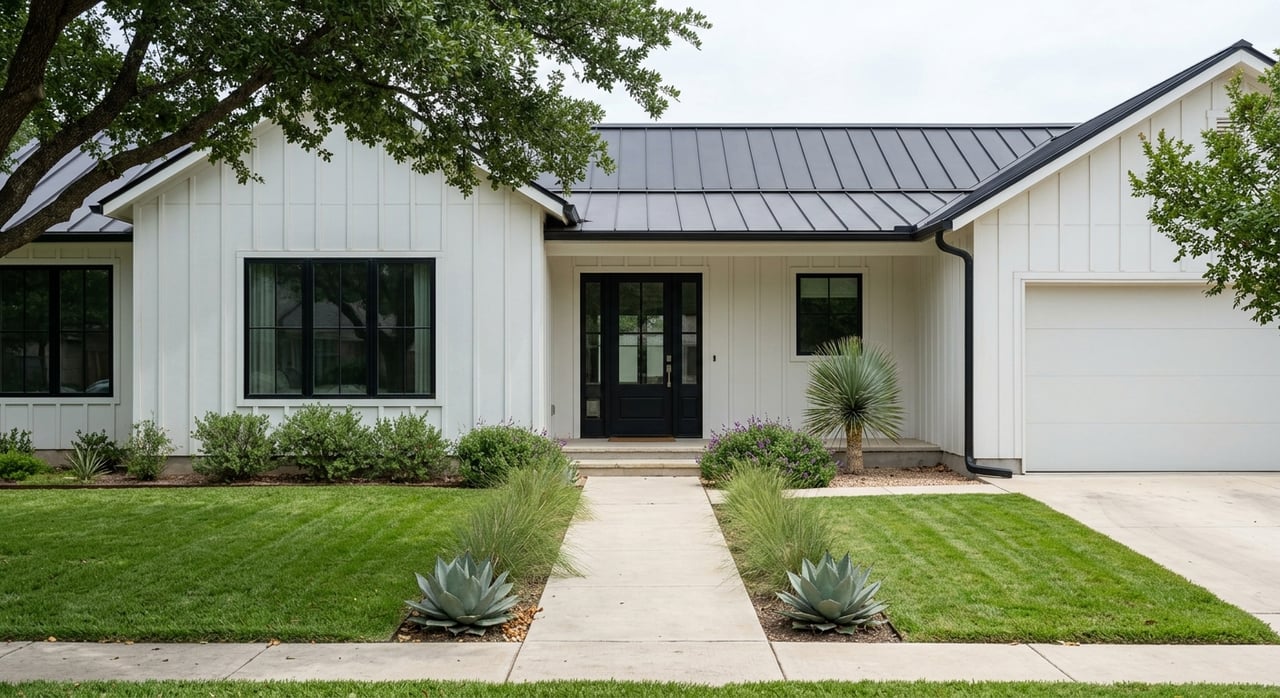
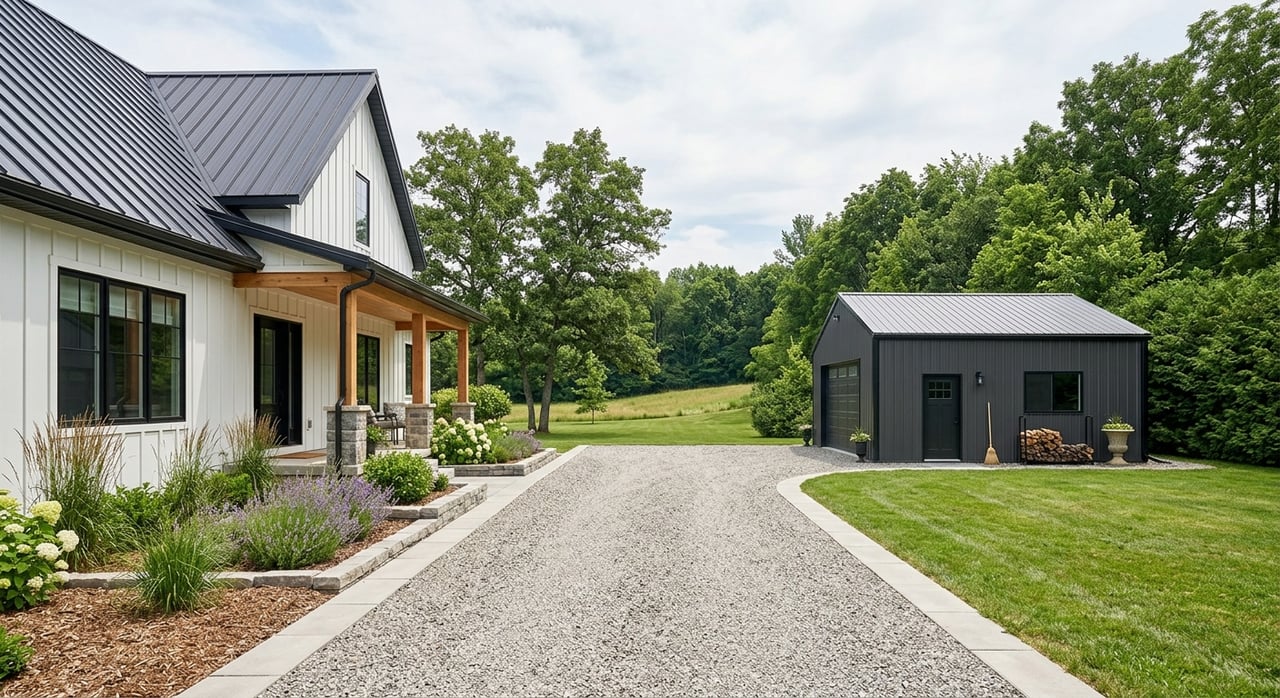
First impressions begin at the road. For rural homes, buyers often start forming opinions before they ever reach the front door. If the entrance feels overgrown, hard to find, or poorly maintained, they may assume the rest of the property has the same issues.
National staging data supports this approach. In 2025, the most common recommendations to sellers were decluttering, whole-home cleaning, and improving curb appeal. The same report found that 29% of agents saw a 1% to 10% increase in offered value when a home was staged, and 49% saw reduced time on market.
Focus on roadside cleanup
Trim brush near the entrance, mow around structures, and clean up the fence line. A tidy approach helps buyers see the property as cared for and functional. It also makes photos and showings feel more polished.
If you are planning to burn brush or debris during cleanup, check Parker County burn-ban guidance first. The county says no burning is allowed on National Weather Service Red Flag Warning Days, and items like tires, construction debris, furniture, carpet, electrical wire, and appliances cannot be burned.
Make the address easy to spot
In rural areas, simple wayfinding matters. Parker County 911 Addressing assigns and readdresses properties in unincorporated areas and helps name roads and easements. Your mailbox, address marker, and driveway entrance should be easy to identify and consistent with county records.
That small detail can help buyers, agents, inspectors, and appraisers find the property without confusion. It also gives the impression that the property has been thoughtfully maintained.
Check access before you list
Access is not a minor detail on acreage. Buyers want to know whether a road is county-maintained, private, city-maintained, or under TxDOT. Parker County notes that not every road in the county is county-maintained, so it is worth understanding and preparing to explain what applies to your property.
If your driveway includes culverts or right-of-way improvements, make sure they were handled properly. Parker County says a permit is required for any culvert placed in the county right-of-way, and no driveway or utility construction may happen without a permit from the precinct. The county also states that fences and private signs are not allowed in county road rights-of-way.
What buyers notice about access
Buyers tend to notice a few access issues right away:
- A driveway that is hard to enter or identify
- Overgrown vegetation blocking sightlines
- Poor drainage near the entrance
- Gates that drag, stick, or do not latch well
- Unclear information about whether the road is public or private
The easier your property is to access and understand, the easier it is for buyers to picture owning it.
Get your land documents together early
A rural listing usually needs more than a standard file folder of paperwork. Texas A&M AgriLife strongly recommends a current survey for rural land because it helps confirm boundaries, acreage, legal access, encroachments, and rights-of-way. Easements can also affect how the land is used, and some property rights may have been reserved or severed.
Before your home goes live, gather as much documentation as you can. This helps answer buyer questions early and can prevent delays once you are under contract.
Helpful documents to have ready
- Current survey, if available
- Deed restrictions
- Easement documents
- Septic paperwork
- Floodplain approvals, if applicable
- Records tied to agricultural valuation
- Well records or water-related documents, if applicable
- Repair or renovation records
This kind of prep supports buyer confidence. It also shows that you have taken property stewardship seriously, which matters in rural markets.
Understand agricultural valuation questions
For small-acreage sellers, tax treatment can become part of the conversation. Parker County Appraisal District says tracts under five acres with a residence are generally considered residential. The county’s minimum acreage guidance is 5 acres for improved pasture, 10 acres for native pasture, and 20 acres for wildlife management.
PCAD also says a new owner must reapply after a deed change if the property is expected to qualify. A land-use change can trigger a three-year rollback of tax savings. That does not mean every buyer will be focused on ag valuation, but if your property has it or may be expected to qualify, you should be ready to discuss the basics accurately.
Why this affects market readiness
When acreage buyers see open land, they often assume there are tax, use, or management details tied to it. If you can explain what the property has been used for and provide records when available, you reduce uncertainty. That helps buyers evaluate the opportunity with clearer expectations.
Make fences and gates look functional
On rural property, fences and gates are not background features. They are part of how buyers judge utility, boundaries, livestock readiness, and everyday upkeep. Even if a buyer does not plan to keep animals, they still notice whether the perimeter feels secure and well maintained.
PCAD’s agricultural productivity guidance specifically references adequate fencing and a securable gate as part of proper management. That makes fence and gate condition an important part of how your property presents, especially if the acreage is a key selling feature.
Prioritize simple repairs
Walk the fence lines and check the gates before photos and showings. Look for loose wire, leaning posts, broken boards, worn latches, and spots where vegetation is swallowing the fence. Small repairs can make the property feel much more turnkey.
If livestock are present, confirm gates work smoothly and securely. Texas fence law is not one-size-fits-all, so the safest move for listing prep is to make sure your existing perimeter fencing is in good working order and easy to evaluate.
Clean up barns, sheds, and work areas
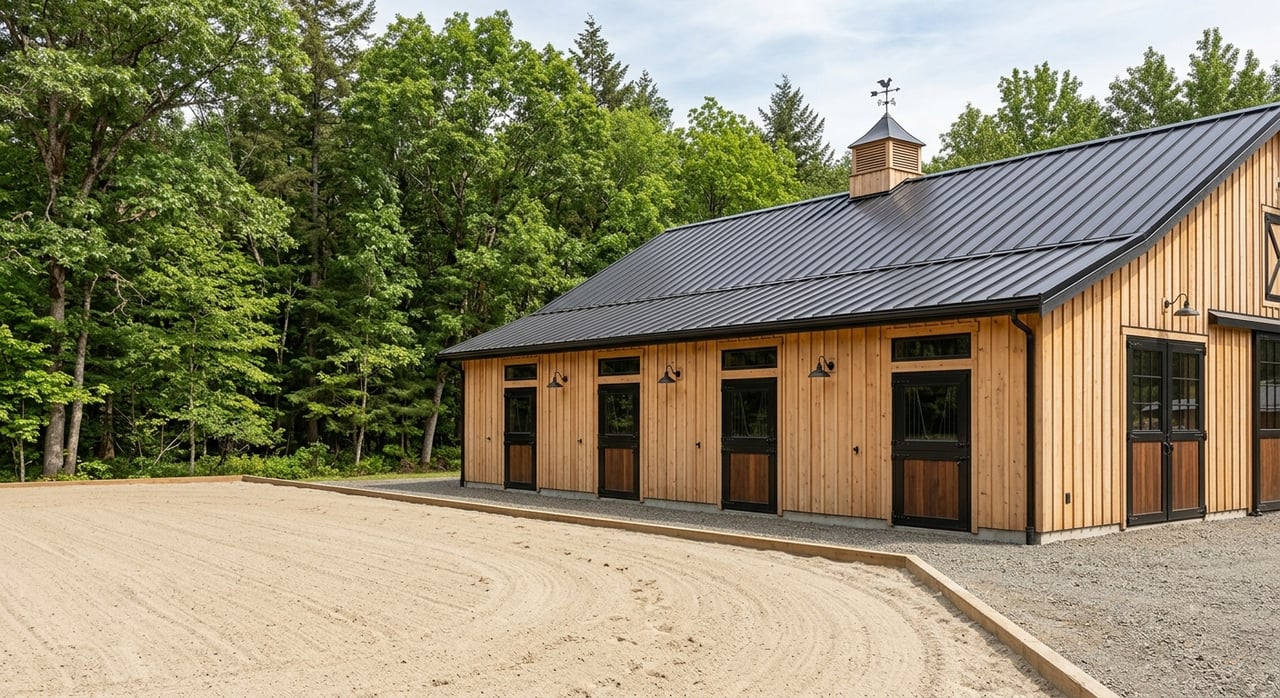
Outbuildings should help sell the property, not create questions. A cluttered barn or packed workshop can make it harder for buyers to understand the usable space. Clean, organized structures show function and reinforce the idea that the property has been maintained.
Sweep out barns, tidy tack rooms, organize tools, and remove overflow storage where possible. Buyers do not need perfection. They do need to see how the space works.
Do not overlook interior staging
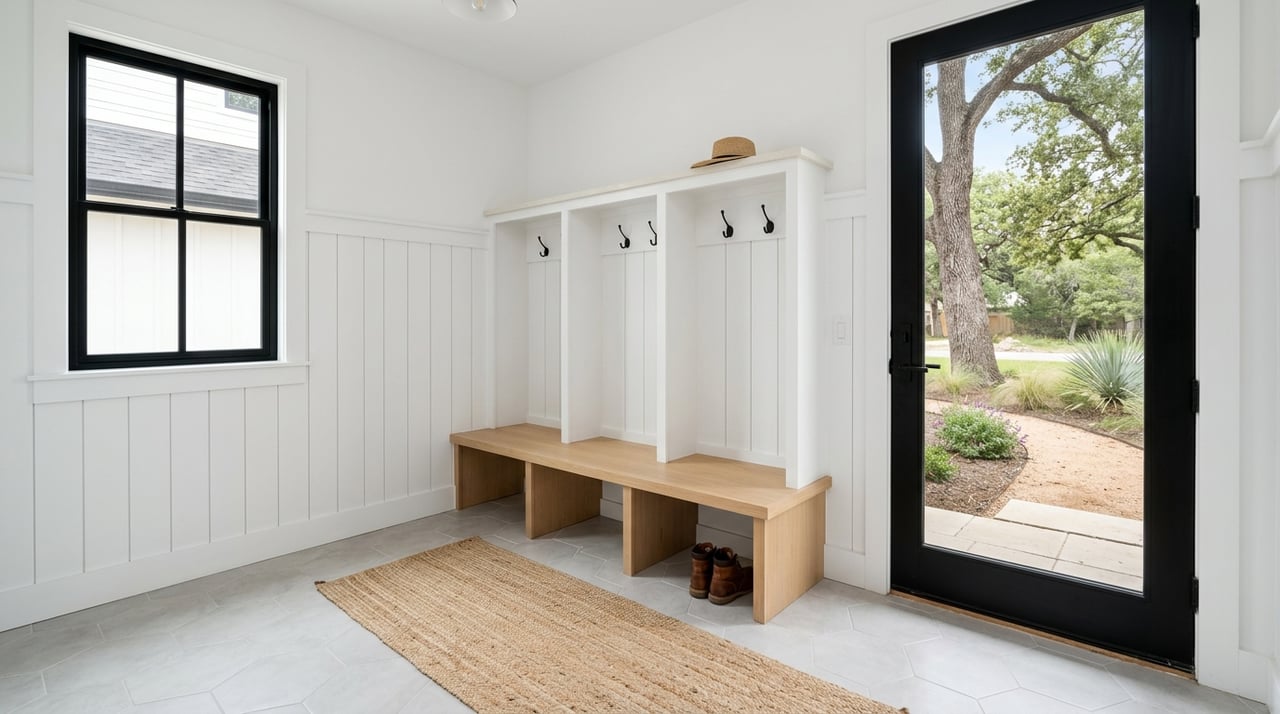
Even on acreage, the house still has to connect with buyers emotionally. NAR’s 2025 staging report found that the living room, primary bedroom, and dining room were the most commonly staged spaces. Buyers’ agents also said staging helps buyers picture the property as their future home.
That means your interior should feel calm, clean, and free of distractions. If buyers love the land but feel overwhelmed by the home, your momentum can slow down quickly.
Where to focus inside
Start with the basics:
- Declutter each room
- Deep clean the entire home
- Remove overly personal items
- Open up main living spaces
- Improve lighting and replace nonworking bulbs
- Touch up obvious wear and tear
Your goal is to make the home feel easy to walk through and easy to imagine living in.
Fix what buyers will flag anyway
Texas seller disclosure rules cover many of the issues rural sellers sometimes treat as minor. The Seller’s Disclosure Notice asks about items such as the septic system, water supply, fences, driveways, plumbing, electrical systems, roof, foundation, drainage problems, previous fires, termite or wood rot damage, unplatted easements, and alterations or repairs made without necessary permits.
In other words, if a problem is obvious, it is likely to come up later anyway. Taking care of reasonable repairs before listing can improve presentation and reduce friction during negotiations.
Rural issues worth addressing early
- Broken gates or weak fencing
- Leaking fixtures
- Nonworking lights or outlets
- Drainage issues around the home or driveway
- Visible signs of wood rot or deferred maintenance
- Septic concerns you already know about
If you are not fixing something, have the available records and details ready. Clear documentation helps buyers make informed decisions.
Prepare for updated rural disclosures
TREC updated seller disclosure rules effective May 28, 2026, with added questions that can matter on rural property. These include whether the property has insurance coverage, whether there is a private road on or adjoining the property that a buyer may have to maintain, whether there are aboveground storage tanks over 500 gallons that stored petroleum or chemicals, and whether the property is in a conservation easement.
TREC also created a new seller notice about groundwater and surface water rights, effective July 1, 2026. If your property includes a well, pond, or other water feature, gather any related records early so you are not scrambling later.
Keep septic and floodplain records handy
Parker County says it does not issue building permits or certificates of occupancy the way a city might. However, the county does regulate on-site sewage facilities in unincorporated areas and development in special flood hazard areas. That makes septic permits, as-built documents, floodplain approvals, and similar records especially helpful during the sale process.
If you have these documents, put them in one place before listing. That simple step can save time once buyers start asking questions.
A practical Parker County prep checklist
If you want a simple place to start, focus on these steps:
- Trim roadside brush and mow around structures
- Make the driveway entrance easy to find
- Confirm the address marker matches county records
- Gather surveys, easements, deed restrictions, and septic paperwork
- Organize barns, sheds, and workshops
- Repair obvious issues with gates, fences, lighting, and drainage
- Review any agricultural valuation records
- Check county burn guidance before burning brush or debris
Acreage homes often sell best when the land, access, and documents all tell the same story. When buyers can see how the property works and trust the information they are getting, they can move forward with more confidence.
If you are getting a rural property ready for market and want practical guidance on what buyers are likely to notice first, Melissa Gibbard is here to help with responsive, detail-focused support every step of the way.
FAQs
What matters most when selling a small-acreage home in Parker County?
- Buyers usually focus on access, usable land, fencing, septic or water information, and whether the property records are easy to understand, along with the condition of the house itself.
What documents should you gather before listing a rural Parker County property?
- Helpful documents include a survey, deed restrictions, easement records, septic paperwork, floodplain approvals, ag-valuation records, and any available well or water-related records.
How does agricultural valuation affect a Parker County acreage sale?
- Parker County Appraisal District says some acreage thresholds apply to different land uses, a new owner must reapply after a deed change if qualification is expected, and a land-use change can trigger a three-year rollback of tax savings.
What should you fix before listing a rural home in Parker County?
- Focus on obvious issues buyers and inspectors will likely notice, such as broken gates, weak fencing, drainage problems, leaks, nonworking lights, and visible deferred maintenance.
Why is driveway access important for Parker County rural listings?
- Access affects first impressions, showing convenience, and buyer confidence, especially because some roads are not county-maintained and certain right-of-way improvements require county permits.
Do barns and sheds matter when marketing a Parker County acreage property?
- Yes. Clean, organized outbuildings help buyers understand the usable space and show that the property has been maintained.