If you are thinking about buying or selling in a rural Texas market, Comanche County may already be on your radar. The big question is whether it truly matches your budget, timeline, and long-term plans. When you look at the numbers and the local property mix, a clearer picture starts to emerge. Let’s dive in.
What Comanche County Looks Like
Comanche County is a fully rural county in Central Texas with the city of Comanche serving as the county seat. According to the Texas Association of Counties county profile, the county covers 937.75 square miles and remains 100% rural. That rural scale is a big part of what shapes the real estate market here.
The county is not large by population, but it has grown. Census QuickFacts for Comanche County reports a 2025 population estimate of 14,432, up from 13,594 in 2020, with about 14.5 people per square mile. If you want wide-open space, lower density, and a slower pace than a suburban market, that is an important starting point.
Comanche County also appears to be a place where many residents put down roots. The same Census data shows an owner-occupied housing rate of 80.4%, which is notably above the Texas statewide figure of 62.6%. In practical terms, that suggests a market with a strong base of full-time homeowners rather than a highly transient housing mix.
Why Buyers Consider Comanche County
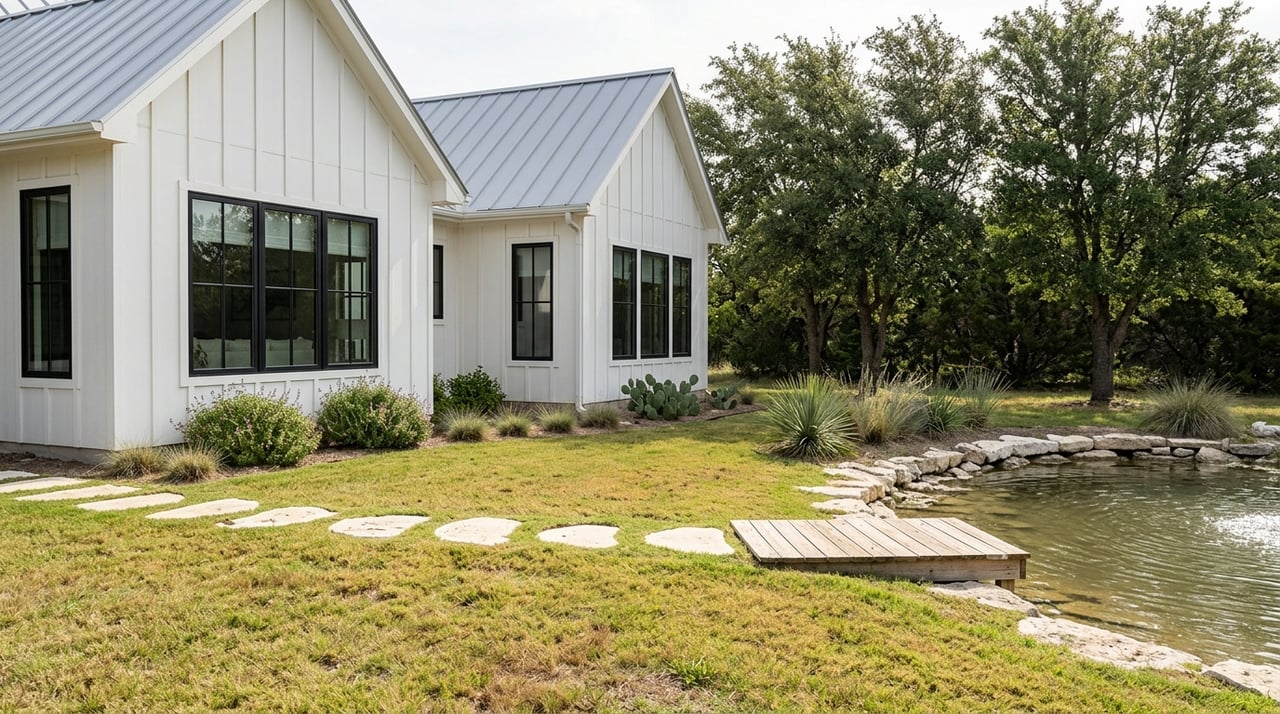
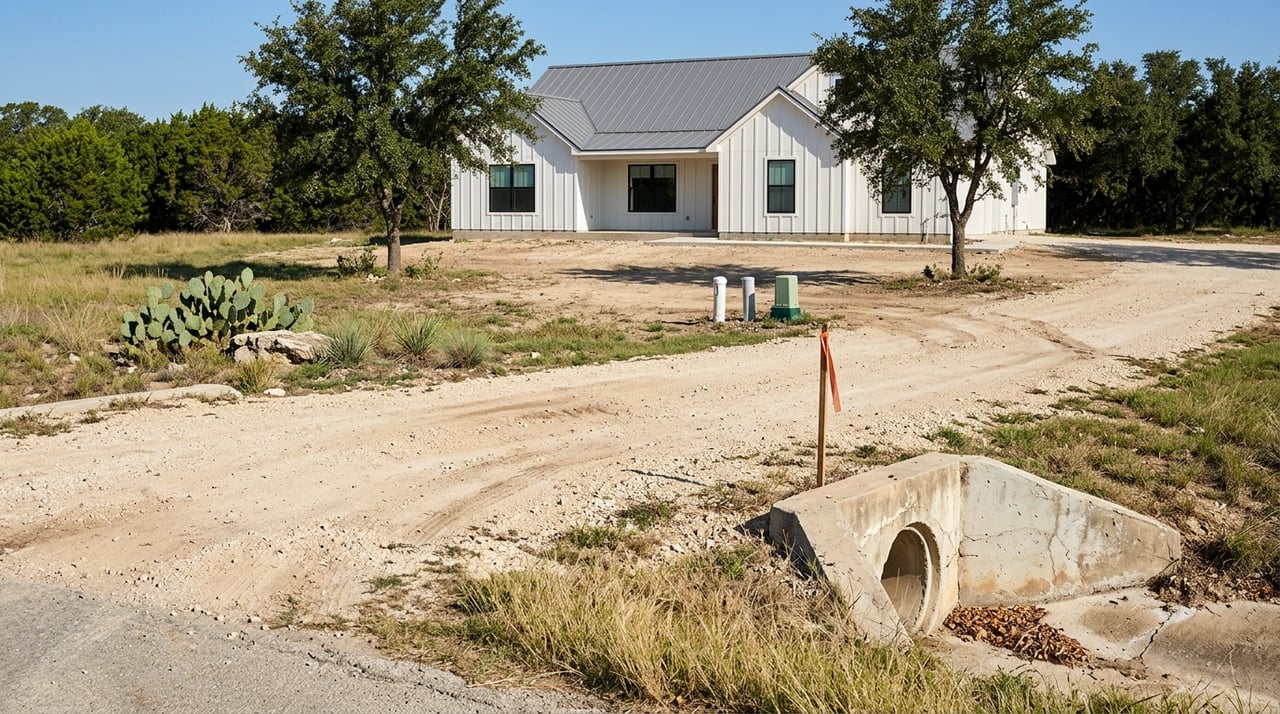
For many buyers, Comanche County stands out because it offers a rural lifestyle with real housing variety. You are not just looking at homes in town. You may also find small acreage, larger land tracts, ranch-style properties, and homes tied to recreational use.
The Comanche Central Appraisal District 2025 annual report shows how land-heavy this market is. The county includes 4,887 single-family residences, 1,698 vacant lots or land tracts, 8,529 qualified open-space land parcels, and 3,750 rural non-qualified land parcels. That mix points to a market shaped by homesteads, pastureland, and rural ownership patterns more than dense subdivisions.
If you are looking for a place where land matters as much as the house itself, that is a major reason to pay attention to Comanche County. Native pastureland alone accounts for 348,324 acres, with another 122,712 acres of improved pasture and 43,749 acres of dryland cropland in the appraisal district report. That creates different buying decisions than you would face in a more typical neighborhood-driven market.
What the Housing Mix Means
In Comanche County, the property type matters as much as the price. A home on a small lot in town is a very different purchase from a house on several acres, a recreational parcel, or land with agricultural use. That means your goals should guide your search from the start.
The appraisal district also notes that qualified open-space land is appraised using agricultural productivity values rather than market value. For buyers considering acreage, that detail can affect how you evaluate ownership costs and how a property compares to another tract. It also means rural properties may require closer review than a standard in-town home.
This is one reason local guidance matters in a county like Comanche. Two listings can appear similar at a glance but differ quite a bit once you factor in land classification, improvements, and intended use.
Price Expectations in Comanche County
Comanche County looks like a middle-ground rural market rather than the cheapest or most expensive option in the region. Census QuickFacts reports a countywide median owner-occupied home value baseline, while live market snapshots referenced in the research suggest many active listings and recent pricing points fall higher, especially for acreage and specialty properties.
The most useful takeaway is not one exact number. It is that Comanche County can offer a range of entry points, but land, recreational appeal, and property uniqueness can push prices higher than older countywide baselines might suggest. If you are shopping here, it helps to compare properties by type instead of assuming every listing follows the same price pattern.
For sellers, that same dynamic can work in your favor when your property has features buyers actively want, such as usable acreage, access to recreation, or a well-maintained rural homesite. Pricing still needs to be grounded in comparable properties, but the market is not one-size-fits-all.
How Fast the Market May Move
One of the more encouraging signals in Comanche County is that it appears to have meaningful market activity for a rural area. The research indicates a faster resale pace than some nearby rural counties, which can matter if you are trying to balance rural living with future resale flexibility.
That does not mean every property will move quickly. Rural real estate often depends heavily on pricing, condition, acreage details, and buyer pool size. Still, Comanche County seems more active than some lower-priced neighboring alternatives, which can be reassuring if you want options without stepping into a much larger market.
Lifestyle and Daily Living
A county can fit your real estate goals on paper and still miss the mark in day-to-day life. That is why it helps to look at access, services, and local amenities alongside housing data.
Comanche County functions more like a rural service area than a commuter suburb. Census data shows a mean travel time to work of 20.6 minutes, and the research report notes 290 employer establishments and 2,599 employment in 2023. If you are expecting major suburban retail growth or a constant stream of new development, this market may feel limited. If you prefer a quieter rural setting with basic local services, it may feel more aligned.
Health care is a meaningful part of that picture. Comanche County Medical Center describes itself as a 25-bed critical access hospital with a 24/7 emergency department and clinic network. For many buyers, having core medical services in the county is an important part of evaluating livability.
Recreation and Second-Home Appeal
If your goals include a weekend place, retirement planning, or a property with outdoor recreation nearby, Comanche County has an extra draw. Proctor Lake is the county’s main recreational water feature and adds another layer of appeal for buyers who value water access and outdoor use.
The U.S. Army Corps of Engineers Proctor Lake page describes the lake as a multi-purpose project used for flood control, water supply, fish and wildlife, and recreation. The Texas Parks and Wildlife Department information on Proctor Lake places it in Comanche County off US 67 between Comanche and Proctor. That makes the county worth a closer look if your goals include a recreational property or a home base near the water.
For buyers interested in lake homes, rural retreats, or second homes, this can be one of Comanche County’s strongest lifestyle advantages. It gives the market something beyond simple affordability or land value alone.
New Construction Is Limited
If you want a brand-new home, Comanche County may feel restrictive. Census QuickFacts reports only 16 building permits in 2024. That is a very small number and suggests you will likely rely more on existing homes or land purchases than on new-build inventory.
For buyers, that means flexibility helps. You may need to consider resale homes, acreage with improvements, or land where future plans are possible. For sellers, limited new construction can reduce direct competition from brand-new inventory, especially when your property is well-prepared and priced appropriately.
How Comanche Compares Nearby
If you are still deciding where to focus your search, Comanche County appears to sit in a useful middle position among nearby rural counties. It is not the cheapest option, but it also does not appear to be the highest-priced or most isolated choice.
Compared with nearby counties in the research report, Comanche looks more rural than Brown County, more active than Eastland County in terms of resale pace, larger and more centered than Hamilton County, and less expensive than Mills County in the current directional picture. That means it can appeal to buyers who want rural living and land opportunities without going to the far end of either the price scale or the sparsity scale.
Here is a simple way to think about the comparison:
- Brown County: larger and denser, with a broader population base
- Eastland County: may appeal more to buyers focused on lower entry price
- Hamilton County: smaller and more rural, with lower pricing signals
- Mills County: more acreage-oriented and potentially more expensive
- Comanche County: a middle-ground rural market with land appeal, local services, and lake access
Who Comanche County Fits Best
Comanche County may be a strong fit if your goals line up with the realities of a rural, land-driven market. In many cases, it works best for buyers who want space, flexibility, and a property they can hold and enjoy over time.
You may want to take a closer look at Comanche County if you are:
- Seeking a primary home in a rural setting
- Interested in small acreage or ranch-style property
- Looking for a recreational or second-home option near Proctor Lake
- Comfortable with a market that has limited new construction
- Planning for long-term ownership rather than a quick flip
It may be less ideal if you want suburban density, a large supply of new homes, or the absolute lowest entry price in the region. In that case, another nearby county may fit better depending on your priorities.
What Sellers Should Keep in Mind
If you are selling in Comanche County, your biggest advantage may be understanding how buyers shop here. They are often comparing not just square footage, but land use, access, property condition, and whether a home fits a rural lifestyle.
That means presentation and pricing should reflect the property’s true strengths. A home with usable acreage, a strong location, or recreational appeal needs a strategy that speaks directly to those features. In a market with a varied inventory mix, careful positioning can make a meaningful difference.
If you are trying to decide whether now is the right time to buy or sell in Comanche County, working with someone who understands rural property details can help you compare your options with more confidence. If you want local guidance on homes, lake property, or acreage in Comanche County and nearby Central Texas markets, Melissa Gibbard is here to help you take the next step.
FAQs
Is Comanche County, TX good for buying rural property?
- Yes. Comanche County’s property mix includes a large number of land parcels, pastureland, and single-family homes, making it a practical market to consider if you want rural living or small acreage.
Is Comanche County, TX a good place to look for lake property?
- It can be. Proctor Lake is a key recreational feature in the county, which can make the area appealing if you want a second home, a weekend property, or a home near outdoor recreation.
Are there many new homes in Comanche County, TX?
- New construction appears limited. Census data reported only 16 building permits in 2024, so many buyers will likely be choosing from existing homes or land listings.
How does Comanche County, TX compare to nearby counties?
- Comanche County appears to sit in the middle of the pack among nearby rural counties. It offers a balance of rural character, local services, and market activity without being the least expensive or the most acreage-driven option.
Is Comanche County, TX a fit for real estate investors?
- It may work best for patient, long-term investors rather than quick flips. The research suggests there is real market activity, but the land-heavy inventory and thinner rural comp sets can require a longer-term view.