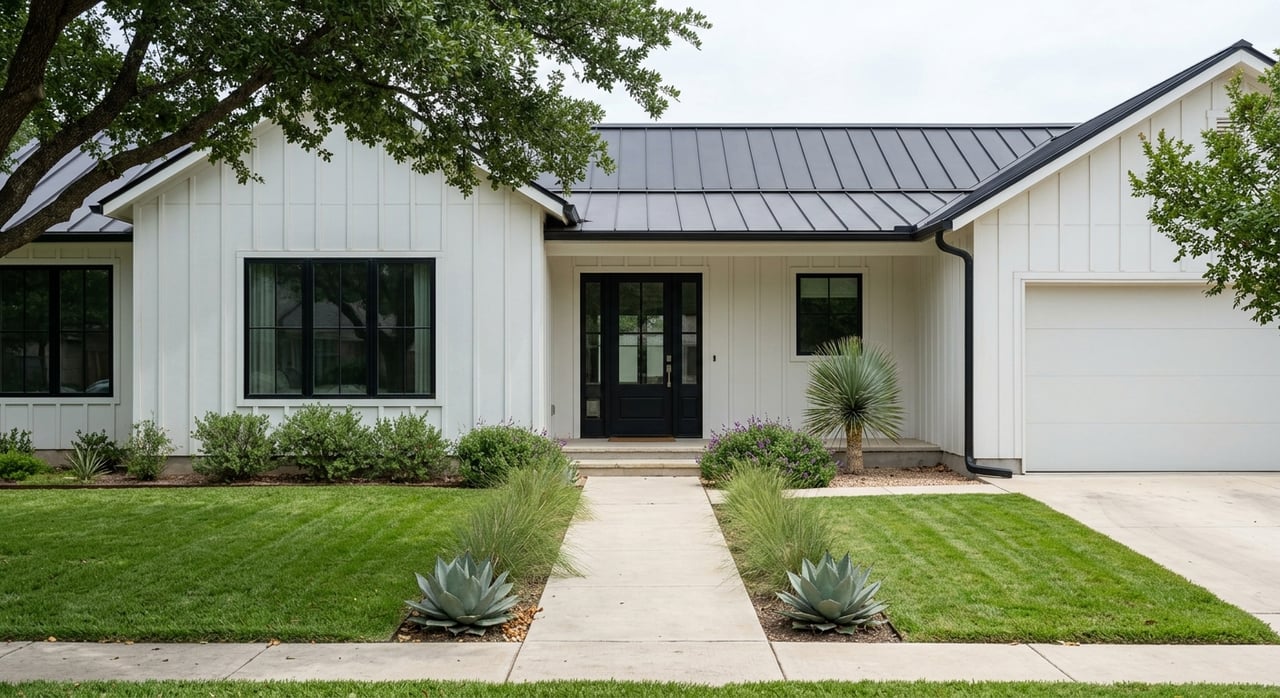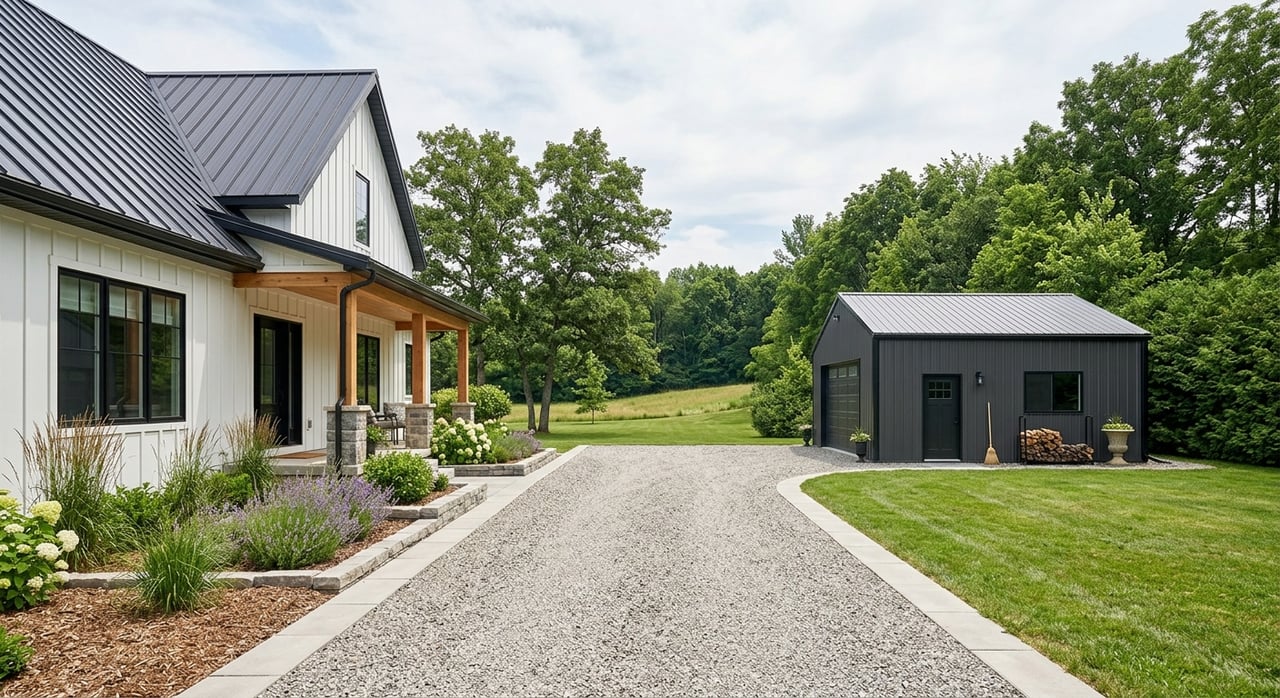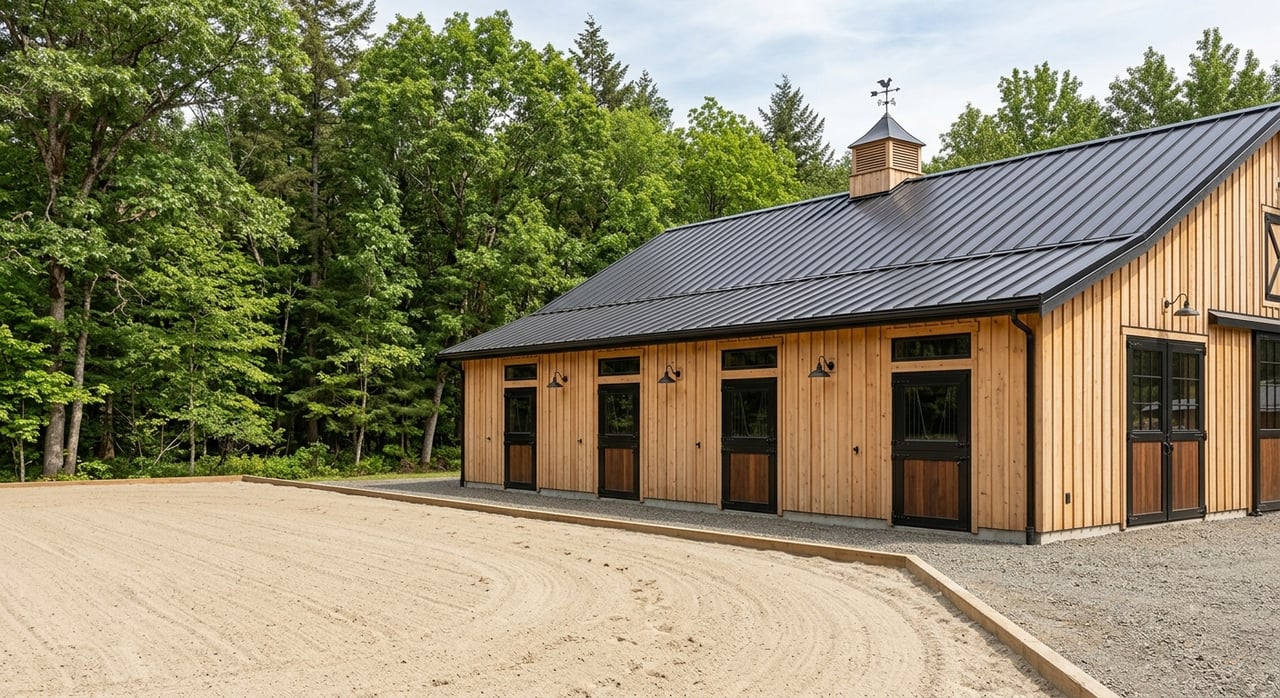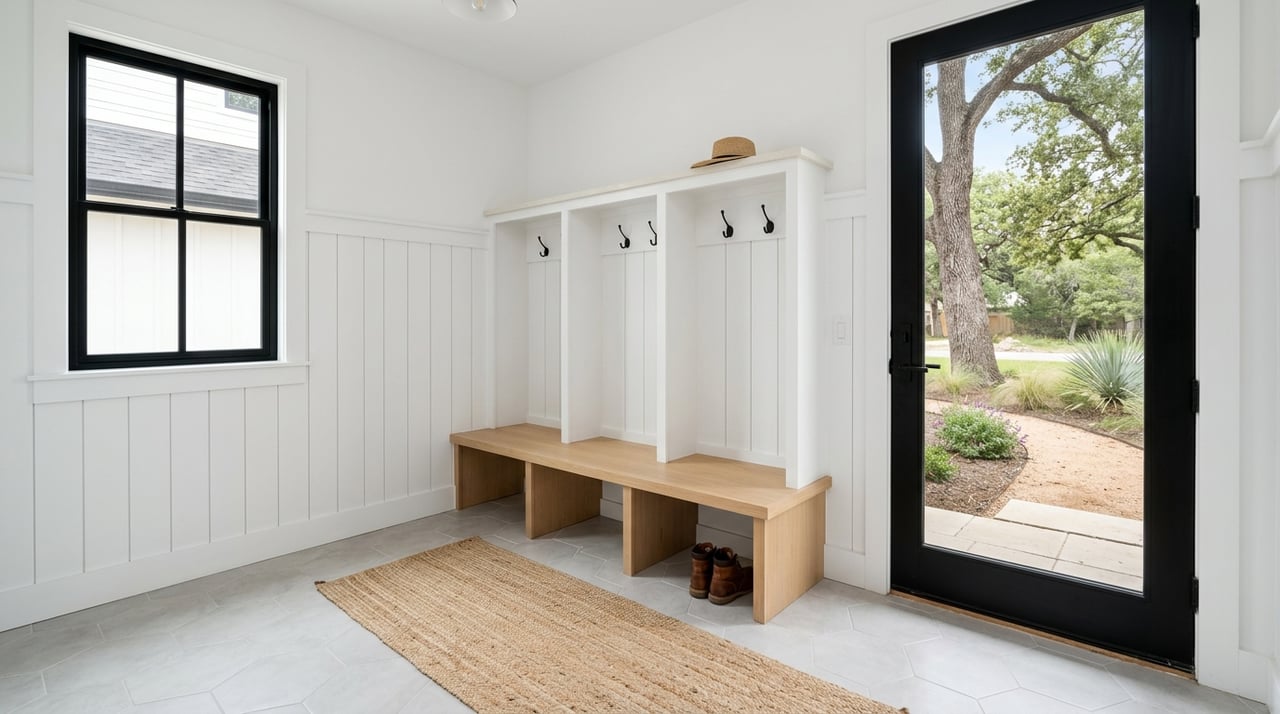
If you are thinking about selling in Brown County, listing your home without a clear plan can cost you time and money. This market still has active buyers, but homes are not flying off the shelf overnight, and local details matter more here than they do in many bigger cities. When you understand pricing, timing, presentation, and disclosure before you list, you can make smarter decisions from day one. Let’s dive in.
Brown County market conditions matter
Brown County has a more rural housing profile than many Texas markets, with acreage, utility setup, access, and property condition often playing a bigger role in buyer decisions. The county has an estimated 38,631 residents, 19,605 housing units, and a 68.2% owner-occupied housing rate, which helps explain why homes here can vary widely from one area or property type to the next.
Recent market snapshots show that homes are selling, but sellers should not expect instant results. Redfin’s trailing three-month data ending May 2026 showed a median sale price of $208,375 and median days on market of 58. A March 2026 market snapshot reported 38 closed sales, 84 days on market, and 5.6 months of inventory.
That means preparation matters. In a market with more buyer choice, the homes that stand out are usually the ones that enter the market with the right price, strong presentation, and fewer unanswered questions.
Price for your exact property
One of the biggest mistakes sellers make is relying too much on a broad countywide average. In Brown County, that can be misleading because pricing can shift based on the town, property type, land size, utility setup, and tax district.
Recent data supports a careful pricing strategy. In Redfin’s May 2026 snapshot, 25.0% of Brown County homes had price drops, while 23.3% sold above list price. That tells you two things at once: well-priced homes can still compete, but overpricing can slow your sale down.
A smart pricing approach usually starts with recent comparable sales that truly match your property. That means looking at homes in the same town, similar school district boundaries, and the same general category, such as in-town single-family, lake property, or acreage.
Why countywide averages can miss the mark
Brown County includes multiple taxing units, including Brown County itself, the cities of Bangs, Blanket, Brownwood, and Early, along with several independent school districts. Because of that, tax expectations can vary materially from one parcel to another.
If your home is in one part of the county and the comparable sale is in another, the numbers may not translate as cleanly as you expect. Buyers often look closely at monthly ownership costs, so pricing should reflect your exact location and property setup, not just a headline number for the entire county.
Verify your property tax details early
Before your home goes live, it is worth confirming that your tax records are accurate. Brown County Appraisal District is the local authority responsible for appraisal, exemption administration, and tax collection and disbursement functions noted in its annual report.
If you have a homestead or another exemption on the property, make sure that information is current. This helps reduce confusion when buyers review tax history and try to estimate future costs.
What buyers may notice
Buyers often compare the current tax record with the listing details. If there is a mismatch in exemption status, parcel information, or district details, it can create unnecessary questions during the transaction.
Getting ahead of those questions can help your listing feel more organized and credible. It also helps set realistic expectations from the beginning.
Timing can help, but timing is not everything
Housing activity often follows a spring and summer rhythm, and Brown County appears to reflect that pattern. A March 2026 local market snapshot showed closed sales up 26.7% year over year, which suggests stronger seasonal momentum during that period.
That said, the calendar alone will not do the heavy lifting. Even in a stronger seasonal window, buyers still respond most to homes that are priced realistically and presented well.
List when you are truly ready
If you rush to market with incomplete repairs, poor photos, or cluttered spaces, you may miss the benefit of seasonal demand. A polished launch usually gives you a better chance to attract serious attention early.
In practical terms, that means it is often better to spend a little extra time preparing than to go live before the home is ready. First impressions are hard to reset once your listing is active.
Presentation still shapes buyer response
Staging and presentation can make a real difference in how buyers experience your home. According to the 2025 staging report from NAR, 83% of buyers’ agents said staging made it easier for buyers to visualize a home as their future residence. The same report found that 49% of sellers’ agents said staging reduced time on market, and 29% said staging increased dollar value offered by 1% to 10%.
The rooms that matter most are the living room, primary bedroom, and kitchen. These are often the spaces buyers remember first and compare most closely from one listing to the next.
Simple updates that can help
You do not always need a major overhaul to improve presentation. Small, practical steps can go a long way:
- Maximize natural light
- Reduce clutter in each room
- Use neutral wall colors when possible
- Highlight the intended function of each space
- Tone down highly personal décor
These changes can help buyers focus on the home itself rather than distractions. In online listings, they also tend to make photos feel cleaner and more inviting.
Brown County buyers often focus on property condition
In Brown County, buyers may pay extra attention to the practical side of the property, especially with rural homes, older homes, acreage, or non-subdivision properties. Questions often center on systems and maintenance, not just finishes and style.
The current Texas Real Estate Commission Seller’s Disclosure Notice covers many of the issues buyers are likely to ask about. These include septic and sewer systems, water supply, drainage, flooding, smoke detectors, unpermitted work, repair history, and known defects.
Be ready for common pre-listing questions
Before you list, gather the details you know and any records you have. Buyers may ask about:
- Roof age
- HVAC condition
- Septic or well status
- Water source
- Drainage issues
- Prior flooding
- Termite history
- Past repairs
- Unpermitted changes or additions
- Propane service or other utility details
When you can answer these questions clearly, you help buyers feel more comfortable moving forward. That can lead to smoother negotiations and fewer surprises during the option period.
Disclosures are a major part of listing prep
Texas sellers should expect the current TREC Seller’s Disclosure Notice to be part of the transaction. TREC states that the form reflects the seller’s knowledge of the property and is not a warranty or a substitute for inspections.
This is one reason it helps to start early. Filling out the disclosure carefully takes time, especially if your property has acreage, multiple utility systems, older improvements, or a long repair history.
Accuracy matters more than perfection
Sellers sometimes worry that disclosing too much will hurt their sale. In reality, incomplete or inconsistent answers can create bigger problems later.
A clear and accurate disclosure can help build trust. It gives buyers a better understanding of the property and can reduce confusion once inspections begin.
Climate-related questions may come up
Brown County market data also points to climate-related concerns that may matter to buyers. Redfin flags moderate flood risk, severe wildfire risk, major wind risk, and severe heat risk for the county.
That does not mean every property faces the same level of concern, but it does mean buyers may ask practical questions. They may want to know about drainage, defensible space, wind exposure, or any insurance and mitigation history you can share.
Practical prep steps for sellers
If these topics apply to your property, it helps to organize what you know before listing. Useful details may include:
- Past drainage improvements
- Brush clearing or defensible space work
- Roof or exterior updates related to weather exposure
- Insurance history you are comfortable sharing during the transaction
- Notes about how the property has handled heavy rain or extreme heat
Being prepared does not guarantee every buyer will be satisfied, but it can make your listing feel better documented and easier to evaluate.
A strong launch can save time later
When sellers prepare well up front, they often avoid some of the issues that slow a transaction down. Pricing questions, tax confusion, disclosure gaps, and condition surprises can all create friction once a buyer is under contract.
A thoughtful pre-listing plan gives you a better chance to launch with confidence. In Brown County, where property details can vary so much from one listing to another, that preparation can be one of your biggest advantages.
If you want a local read on how your property fits today’s Brown County market, working with someone who understands small-town and rural listings can make the process much easier. For guidance on pricing, preparation, and next steps, connect with Melissa Gibbard.
FAQs
What should Brown County sellers do before listing a home?
- Brown County sellers should review pricing, verify property tax details, gather repair and system information, prepare for the TREC Seller’s Disclosure Notice, and improve presentation before the home goes live.
How long does it take to sell a home in Brown County, TX?
- Recent 2026 market snapshots showed median days on market around 58 in Redfin’s trailing three-month data, while a March 2026 local snapshot reported 84 days on market.
Why is pricing so important for Brown County homes?
- Brown County data showed that 25.0% of homes had price drops, while 23.3% sold above list price, which suggests that accurate pricing can help a home stay competitive.
What do buyers ask about rural properties in Brown County?
- Buyers often ask about septic systems, wells or water supply, propane, roof age, HVAC condition, drainage, flooding, termites, repair history, and whether any work was done without permits.
Do Brown County sellers need to fill out a disclosure form?
- Texas sellers should expect to complete the current TREC Seller’s Disclosure Notice, which covers the seller’s knowledge of the property, including systems, defects, drainage, flooding, and other important conditions.
When is the best time to list a home in Brown County?
- Spring and summer often bring stronger housing activity, and Brown County’s March 2026 sales data supported that seasonal pattern, but price and presentation still play a major role in results.